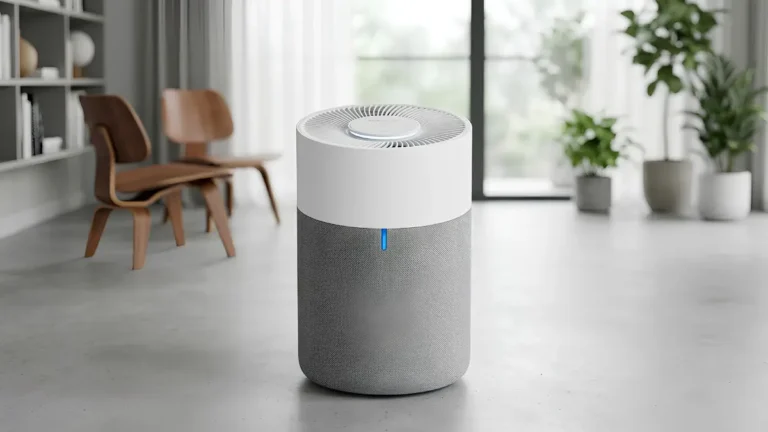
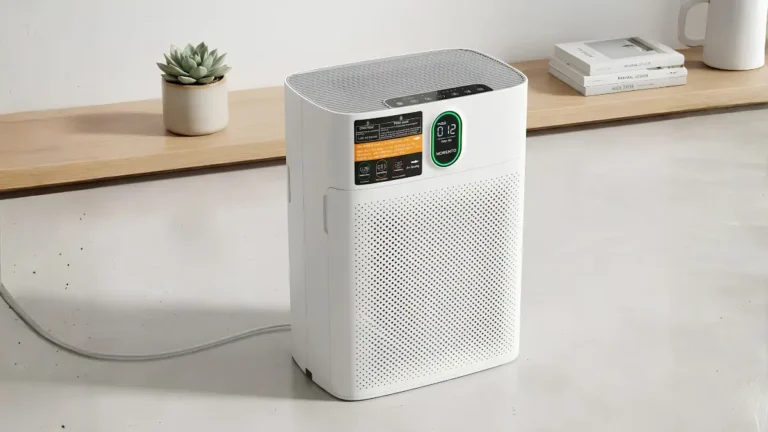
3 Dangerous Negative Side Effects of Air Purifiers
By Dadfficient | Tested & Verified
Dadfficient is reader-supported. When you buy through our links, we may earn an affiliate commission at no extra cost to you. We refuse paid reviews—every recommendation here has survived the Dad Test.
Researching the **negative side effects of air purifiers** must happen before placing a motorized fan inside a nursery. Before you plug in a new unit, check our comprehensive air purifier maintenance guide to ensure you aren’t running an overloaded device that needs a deep clean.
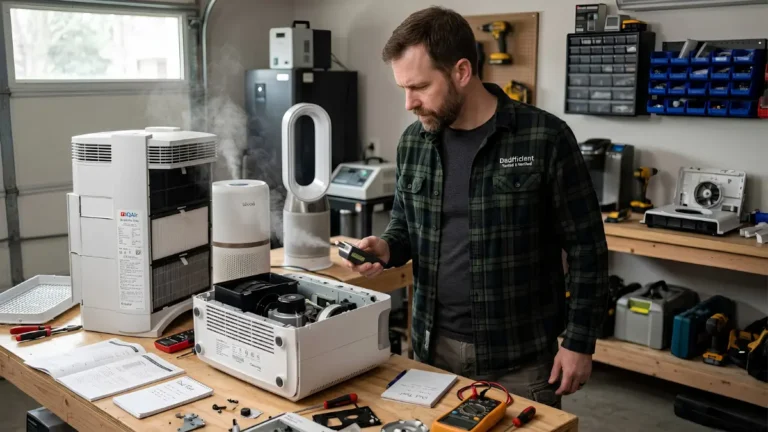
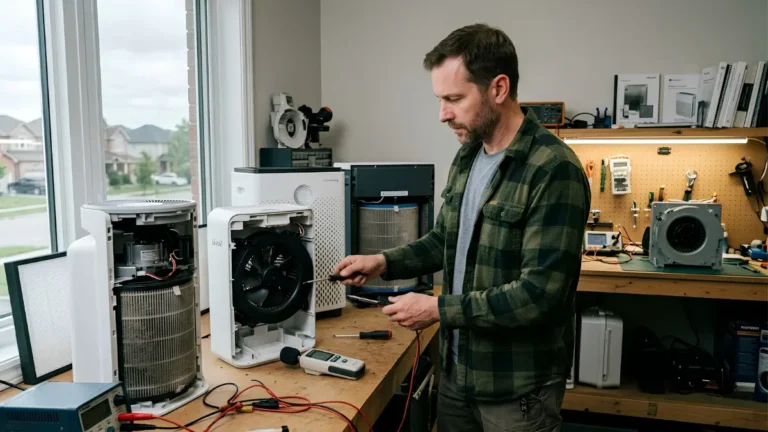
We tore down several popular units to measure electrical ozone output and inspect internal components for hidden mold growth. Many parents accidentally trigger asthma symptoms by running the wrong hardware settings while trying to clean their indoor air layout.
Before you run a new machine, map your dashboard controls against these safety protocols. This ensures you are not blowing chemical irritants straight into your family’s immediate breathing zone.
Check Coway Airmega on Amazon ➜
Click to shop our curated list of hardware that passed the Dad Test.
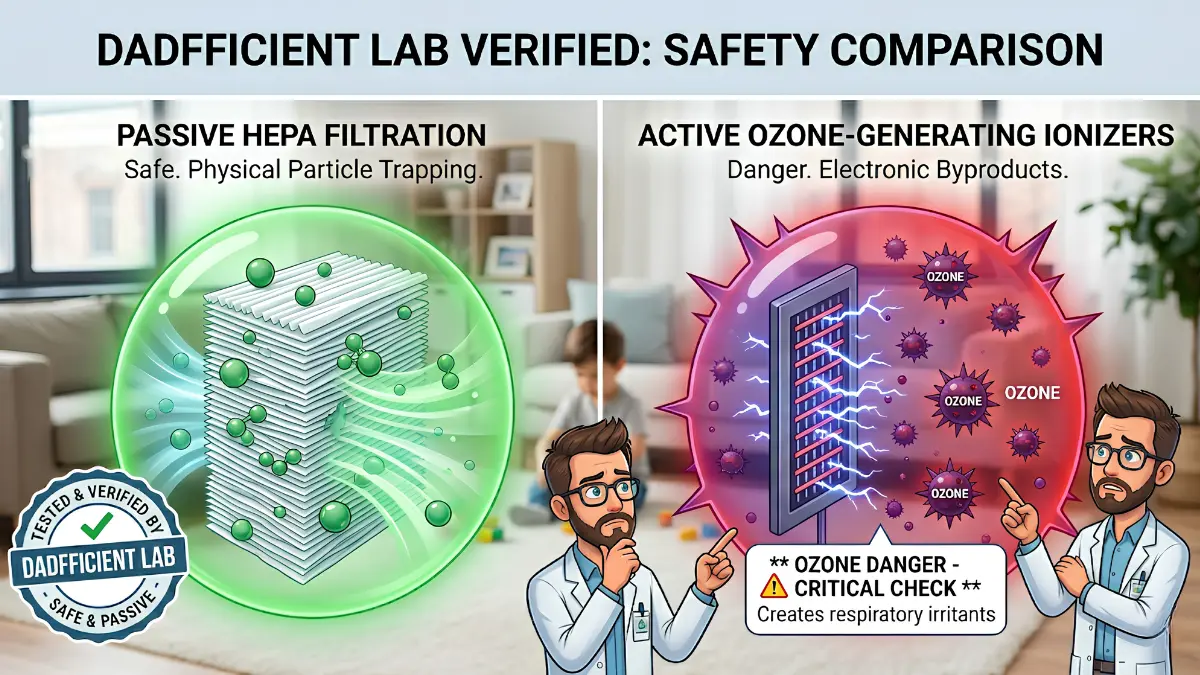
- The Ozone Trap: Avoid running machines with active “Ionizers” or “Plasma” modes if your children have asthma. These emit ozone, which acts as a harsh chemical lung irritant.
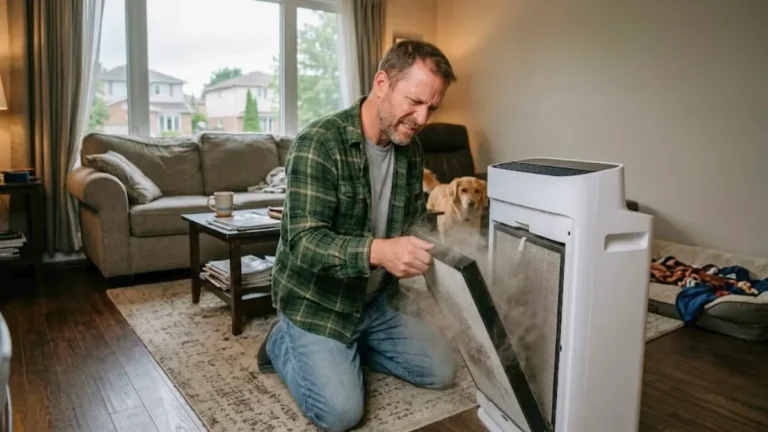
- Maintenance Side Effects: A dirty, neglected HEPA filter can grow mold. The internal motor will actively blow these toxic spores straight back into your living room space.
- The Safety Seal: Always verify your hardware carries the CARB (California Air Resources Board) certification. This standard ensures the unit is strictly tested for ozone thresholds.
The Hidden Negative Side Effects of Air Purifiers
Beyond ozone generation, most reported negative side effects of air purifiers stem from poor physical placement or neglected maintenance timelines.
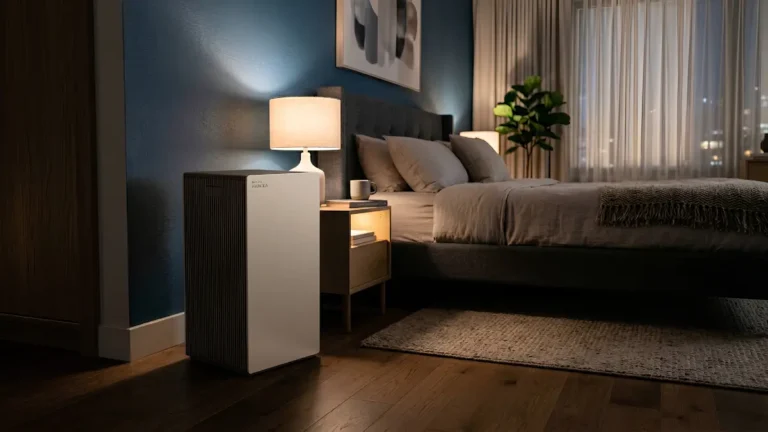
Air purifiers do not dehumidify, but aiming a high-powered exhaust vent directly at a bed creates a constant, dry draft that dehydrates nasal passages overnight. When we tested high-CADR mechanical models, the aggressive airflow felt highly uncomfortable at close range.
Additionally, we pulled damp, sour-smelling paper grids from basement units that had missed their 6-month replacement window. If organic matter gets wet inside the chassis, mold feeds on the trapped dust, turning your clean-air machine into a bacterial dispersion fan.
Exposing Ionizer Air Purifier Dangers
The most severe safety threat in the indoor air industry involves the unmonitored use of active electronic filtration.
Many parents fail to research ionizer air purifier dangers before pressing every button on their new dashboard. Active machines emit an electrical charge to weigh down floating dust, but this exact chemical process creates ground-level ozone as an unwanted byproduct.
When we tested cheap plug-in ionizers, the metallic, sweet smell of ozone was immediately noticeable. According to the California Air Resources Board (CARB), inhaling ozone causes shortness of breath and chest pain, making it dangerous for developing children.
How to Identify a Genuinely Safe Air Purifier
Securing a safe air purifier requires strict label inspection and a preference for “passive” mechanical filtration.
Passive machines rely exclusively on pulling oxygen through a dense, physical True HEPA filter without utilizing any electrical charging mechanisms. This physical trapping method is safe and produces zero ozone emissions.
Always check the manufacturer’s spec sheet for a CARB certification seal. This strict Californian regulatory standard ensures the motor and internal electronics have been lab-tested to emit virtually zero harmful ozone.
Running a Guardian Technologies Air Purifier Safely
Finding a hybrid machine requires you to manually manage the dashboard settings to protect your room’s air quality profile.
If you operate a guardian technologies air purifier, you will notice an optional UV-C or Ionizer button on the top console. We tested this hardware and found the physical True HEPA filter performs exceptionally well against heavy dust particles.
However, our strict safety rule is to leave the active UV or Ionizer functions permanently disabled in a child’s bedroom. You get the raw power of the physical HEPA filter without risking any ambient ozone leakage.
Next Step: The Dad Test
You have the technical background on system safety. Now, stop guessing. See our fully vetted brand comparisons to find a certified passive filtration setup.
Next Step: Are your machine’s dashboard lights flashing strange colors? Read our guide on how to remove odor from air and decode sensor lights before tearing down the chassis.
Air Purifier Safety FAQ
Can air purifiers make you sick?
A standard mechanical HEPA air purifier will not make you sick. However, if you neglect filter maintenance, a dirty machine will blow mold spores into the room. Additionally, ionizers that generate ozone can cause severe respiratory irritation.
What are the ionizer air purifier dangers?
Ionizers electrically charge particles, which unintentionally creates ground-level ozone as a chemical byproduct. Ozone is a toxic gas that triggers severe asthma attacks, chest pain, and shortness of breath, especially in children.
How do I know if I have a safe air purifier?
Look for the CARB (California Air Resources Board) certification seal on the box or product page. This regulatory standard guarantees the machine has been strictly lab-tested and emits little to no harmful ozone.