5 Brutal Truths: Carepod vs Canopy Humidifier for a Perfect Nursery (2026)
Dadfficient is reader-supported. If you buy through my links, I may earn a commission at no extra cost to you. I only recommend gear that passes the “Dad Test.”
- The Core Difference: When looking at the carepod vs canopy humidifier options, Carepod relies on a boilable 304 stainless steel tank with an ultrasonic oscillator, while Canopy uses an evaporative wicking filter inside a plastic housing.
- Maintenance: Carepod requires manual washing or boiling, whereas Canopy requires automated filter replacements every 5-7 weeks.
- Water Type: Canopy handles hard tap water better due to its paper filter; Carepod performs best with distilled water to prevent mineral dust.
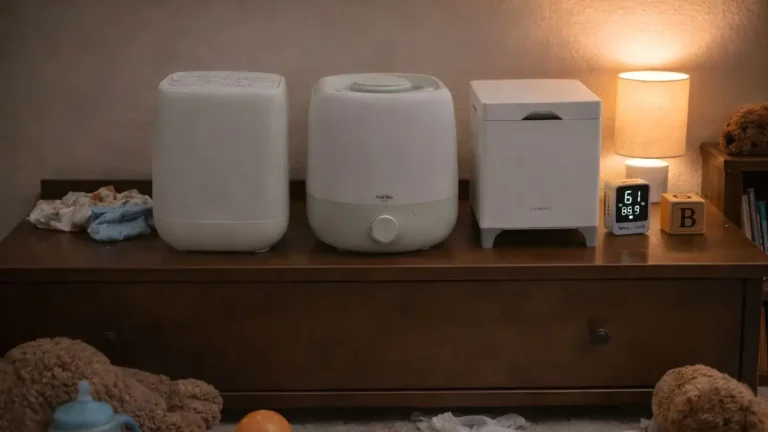
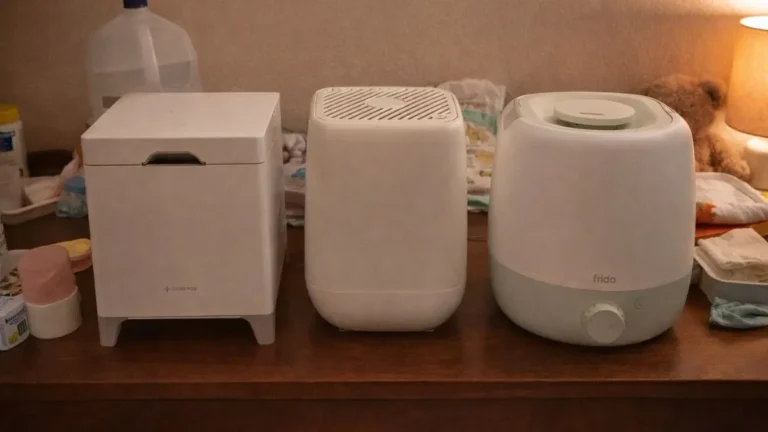
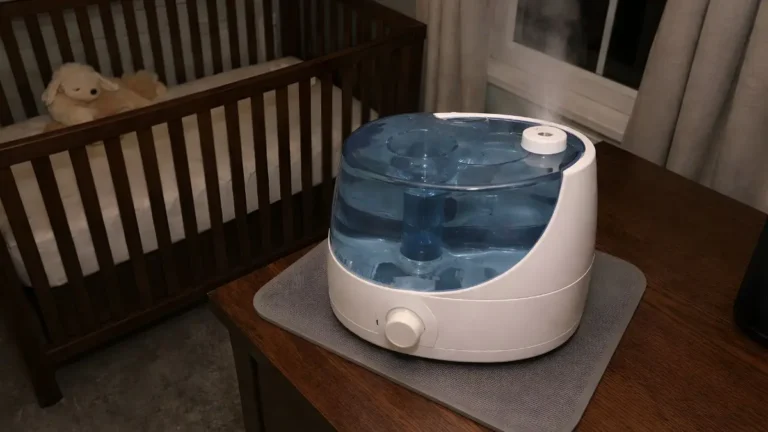
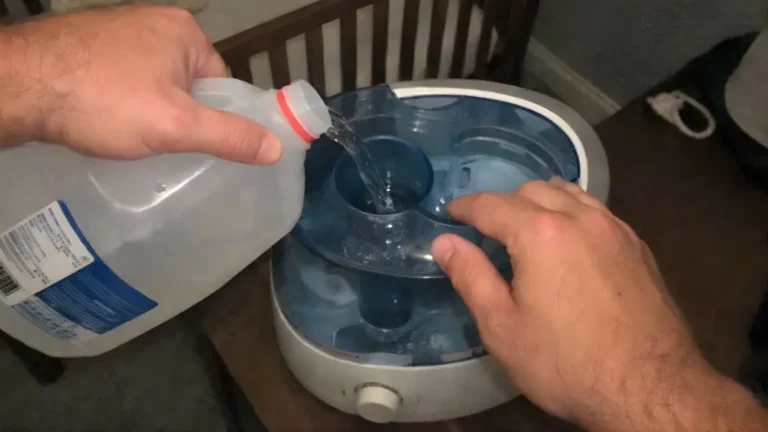
I ran the test in my own home because I was entirely finished dealing with pink sludge in cheap nursery humidifiers. When building a premium nursery setup, the carepod vs canopy humidifier debate is where most dads end up. Both brands promise a mold-free environment, but their engineering approaches are completely opposite.
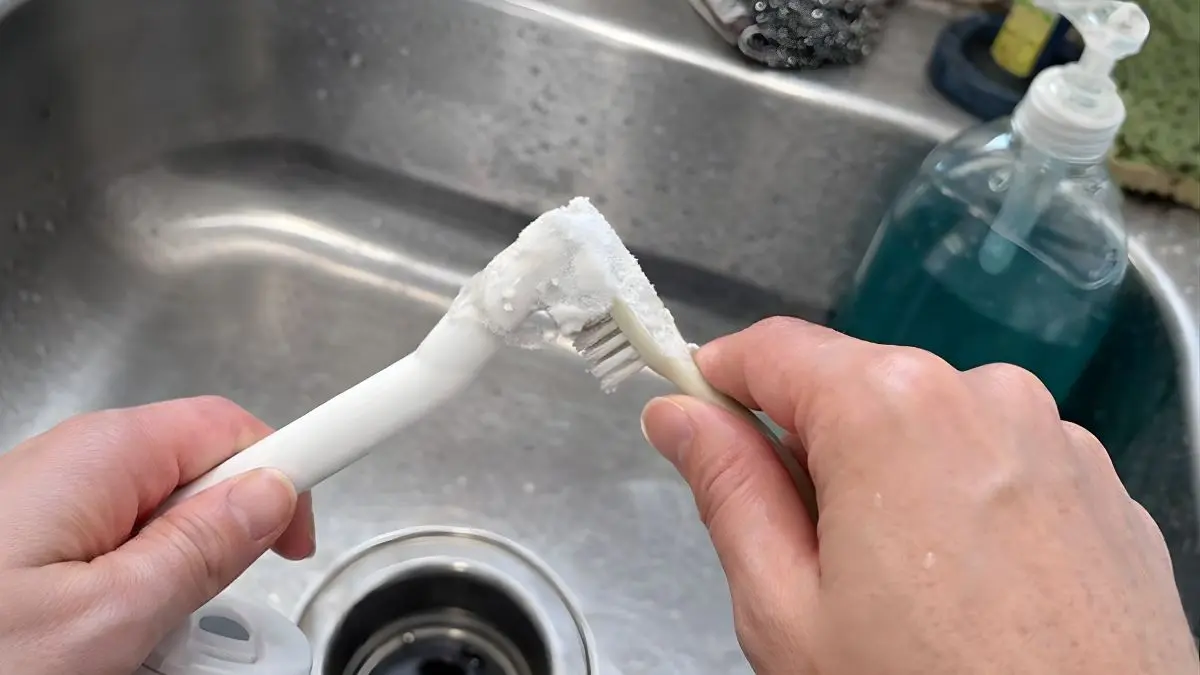
My setup required something that wouldn’t demand an hour of scrubbing with a toothbrush every Sunday. After testing both models across different relative humidity levels, I broke down the exact specifications to see which one genuinely belongs in your child’s room.
| Category | Product | Why it Wins | Action |
|---|---|---|---|
| Best Overall | Levoit Classic 300S | The "Set-and-Forget" King. Huge tank, reliable app, zero-mess top fill. | CHECK PRICE |
| Best Budget | Levoit Dual 150 | The Value Pick. Top-fill design (rare at this price) prevents spills. | CHECK PRICE |
| Best Smart | Safety 1st Connected | The Nursery System. Monitors temp/humidity, but the app can be finicky. | CHECK PRICE |
1. The Mold-Proofing Mechanism
Mold is the primary enemy in any nursery humidifier. Carepod fights mold using material science. The entire interior is crafted from premium stainless steel. Because bacteria struggle to colonize on stainless steel, the baseline risk is lower. When it is time to sanitize, you can literally put the tank on your stove and boil the water inside it for 99.9% pasteurization.
Canopy takes a different route. It uses a 90% paper filter that wicks water up from the basin. The fan blows across this wet paper, evaporating the moisture into the room. Canopy prevents mold by running the fan until the unit is bone dry inside. Without standing water left over, mold spores have no environment to thrive.
2. Cleaning and Maintenance Reality: Carepod vs Canopy Humidifier
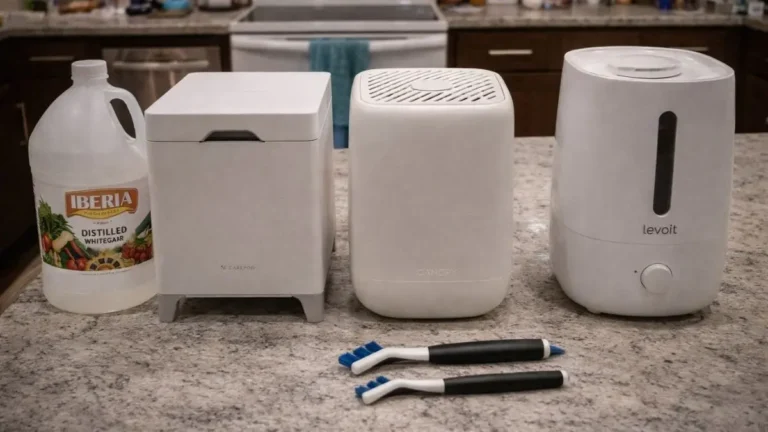
The spec sheet often lies about maintenance time. Carepod consists of just three pieces: the lid, the stainless steel tank, and the ultrasonic oscillator wand. You pop them apart and can put the tank and lid straight into the dishwasher. However, you must carefully hand-wash the wand, ensuring you don’t submerge the top electrical connection.
Canopy is simpler day-to-day but requires ongoing logistics. The parts are dishwasher safe, but the paper filter gets heavily discolored as it traps minerals from your water. When comparing canopy vs carepod, you have to accept that Canopy forces you to remember a filter swap every 5-7 weeks, or the unit stops working efficiently.
3. Mist Delivery: Ultrasonic vs. Evaporative
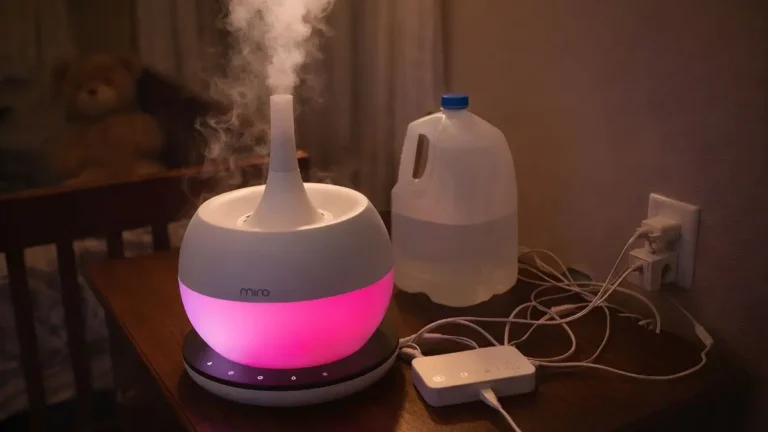
If you want to see the fog rolling into the room, Carepod delivers. It uses an ultrasonic oscillator to rapidly vibrate the water into a fine, visible cool mist. It hydrates a room incredibly fast, but if you use hard tap water, those vibrations will launch heavy minerals into the air, creating a fine white dust on your nursery furniture.
Canopy is an evaporative humidifier. You will never see mist coming out of it. It simply outputs humidified air. This is crucial if you live in an area with hard water, as the paper filter traps the calcium and magnesium, ensuring only pure water vapor enters your baby’s lungs.
Dad Test Metrics: Carepod Humidifier
- Install Ease: 9/10 (Plug and play, simple 3-piece assembly).
- WAF (Wife Acceptance Factor): 8/10 (Sleek design, but boiling parts is a chore).
- Toddler-Proof: 6/10 (Visible mist is a toddler magnet; lid can be lifted).
- Reliability: 9/10 (No filters to clog, mechanical parts are robust).
4. Operating Costs and Subscription Models
Carepod requires a higher upfront investment, but the operating cost is essentially zero if you use tap water, or slightly higher if you buy distilled water jugs to prevent mineral dust. When evaluating the carepod vs canopy humidifier lifetime costs, there are no subscriptions for Carepod, and the stainless steel tank will likely outlast your child’s nursery years.
Canopy operates on a razor-and-blades model. The initial unit is cheaper, but you are locked into a filter subscription. At roughly $15 per filter every month and a half, the lifetime cost of the Canopy easily eclipses the Carepod within the first two years of operation.
5. Nursery Safety and Ecosystem Conflicts
Both humidifiers adhere to the American Academy of Pediatrics’ recommendation for using cool-mist technology rather than warm mist, entirely eliminating burn hazards in the nursery.
However, there is a massive ecosystem conflict to note. The carepod vs canopy humidifier decision impacts your smart home. Ultrasonic humidifiers like the Carepod generate microscopic water droplets that laser-based PM2.5 air quality monitors (like the Awair or smart purifiers) interpret as severe particulate pollution. If you run a Carepod, your smart air purifier will likely kick into maximum overdrive. Canopy’s evaporative vapor does not trigger these sensors.
Dad Test Metrics: Canopy Humidifier
- Install Ease: 8/10 (App integration and filter seating takes a minute).
- WAF (Wife Acceptance Factor): 9/10 (Zero white dust, set-and-forget subscription).
- Toddler-Proof: 8/10 (No visible mist to attract curious hands, enclosed grate).
- Reliability: 7/10 (Paper filter degrades quickly in hard water areas).
Frequently Asked Questions (FAQ)
Is Canopy humidifier worth it?
Yes, the Canopy humidifier is worth the subscription cost if you have hard tap water. The evaporative paper filter captures calcium and magnesium, ensuring no white mineral dust coats your nursery furniture, and it prevents smart air purifiers from triggering false alarms.
Can I use tap water in the Carepod humidifier?
You can use tap water, but Carepod heavily recommends filtered or distilled water. Using hard tap water in an ultrasonic humidifier results in mineral deposits on the oscillator wand and disperses white dust throughout the room.
Does the Carepod or Canopy interfere with baby monitors?
Neither humidifier uses frequencies that jam standard 2.4GHz Wi-Fi baby monitors. However, the Carepod’s ultrasonic mist can obstruct the lens of a wall-mounted camera if placed directly beneath it, whereas the Canopy’s invisible evaporative output will not.
- Carepod Manufacturer Manual: Verified 3-piece 304 stainless steel construction and 99.9% boiling sterilization metrics.
- Canopy Support Base: Verified 90% paper filter composition and 5-7 week replacement cycle.
- HealthyChildren.org (AAP): Verified pediatric safety recommendations for cool-mist humidifiers over warm-mist vaporizers.