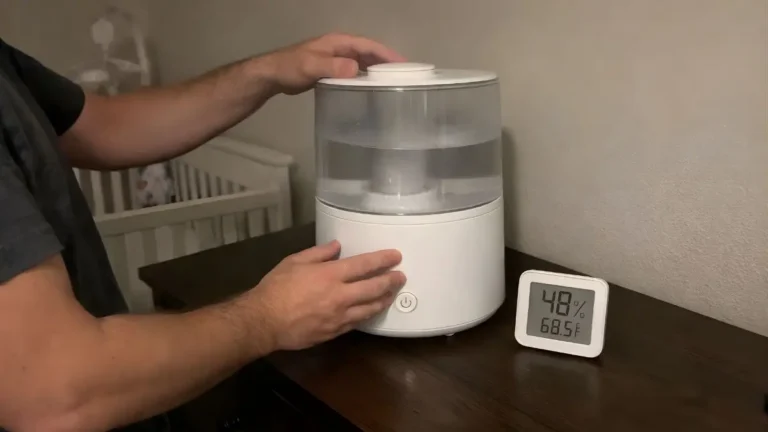
Baby Humidifier: The Ultimate Guide to the Best Nursery Setup (2026)
Dadfficient is reader-supported. If you buy through my links, I may earn a commission at no extra cost to you. I only recommend gear that passes the “Dad Test.”
If you are setting up a nursery, a reliable baby humidifier is not a luxury—it is a tactical necessity.
But if you grab the first teardrop-shaped plastic tank you see on a store shelf, you are walking straight into a maintenance nightmare.
When my first child was born, I didn’t realize that standard water tanks are practically engineered to grow pink bacterial sludge.
I also didn’t know that certain machines would trigger false alarms on my smart home air quality monitors, waking us up at 3:00 AM.
This guide establishes the baseline criteria for getting your nursery air quality right the first time.
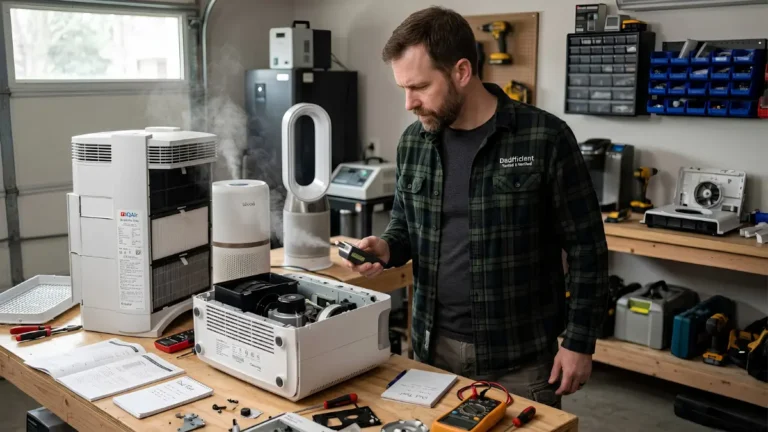
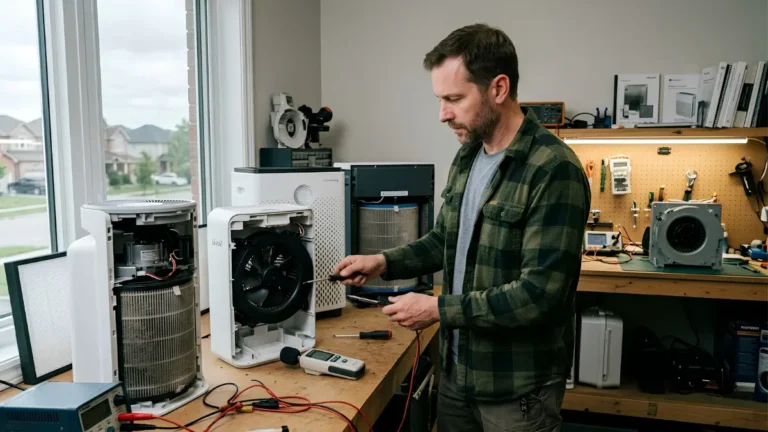
I have spent months tearing down, testing, and washing the top units on the market. Below, you will find the operational breakdown of what makes a good machine, along with direct links to my deep-dive reviews on the specific models that pass the “Dad Test.”
Table of Contents: Nursery Air Quality Architecture
1. Safety First: Why You Need a Humidifier for Baby Cool Mist Technology
The very first rule of buying nursery gear is adhering to pediatric safety standards.
When shopping, you will see options for “warm mist” vaporizers and “cool mist” machines.
You must strictly purchase a humidifier for baby cool mist operation. Warm mist units literally boil water inside the base to create steam.
If a curious baby pulls a power cord or a toddler tips the unit over, that boiling water becomes a severe, immediate burn hazard.
Cool mist machines (both ultrasonic and evaporative) safely add moisture to the air without any heating elements. This makes them the only pediatrician-recommended choice for a child’s room.
2. Ultrasonic vs. The Best Evaporative Humidifier
Once you narrow your search to cool mist, you have to choose your delivery method. This is where most parents make a critical error.
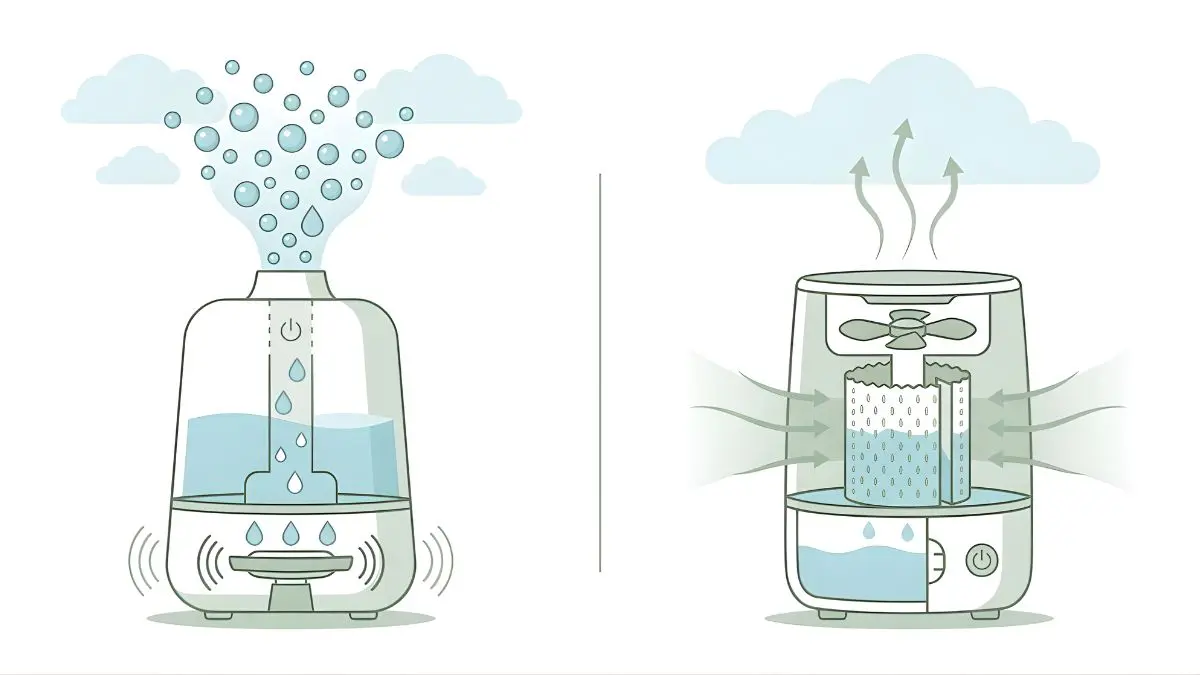
Ultrasonic Humidifiers (Like Carepod, Miro, and Levoit):
These use a vibrating plate to launch microscopic water droplets into the air, creating a highly visible, satisfying fog. The problem? If you use tap water, those droplets carry calcium and magnesium, which settle as a white dust all over your nursery furniture. More importantly, laser-based smart air monitors (like Awair) will read this dense water vapor as severe air pollution. If you want ultrasonic, you must commit to buying distilled water.
Evaporative Humidifiers (Like Canopy):
If you want to use standard tap water, you need to find the best evaporative humidifier. These machines use a fan to blow air across a wet paper wicking filter. The moisture is completely invisible. Because there is no visible fog, there is no white dust, and your smart home sensors will not trigger false alarms. The filter traps all the heavy tap water minerals. The trade-off is that you are locked into a subscription model to replace that paper filter every six weeks.
3. Tackling Sickness: Finding a Humidifier for Baby Congestion
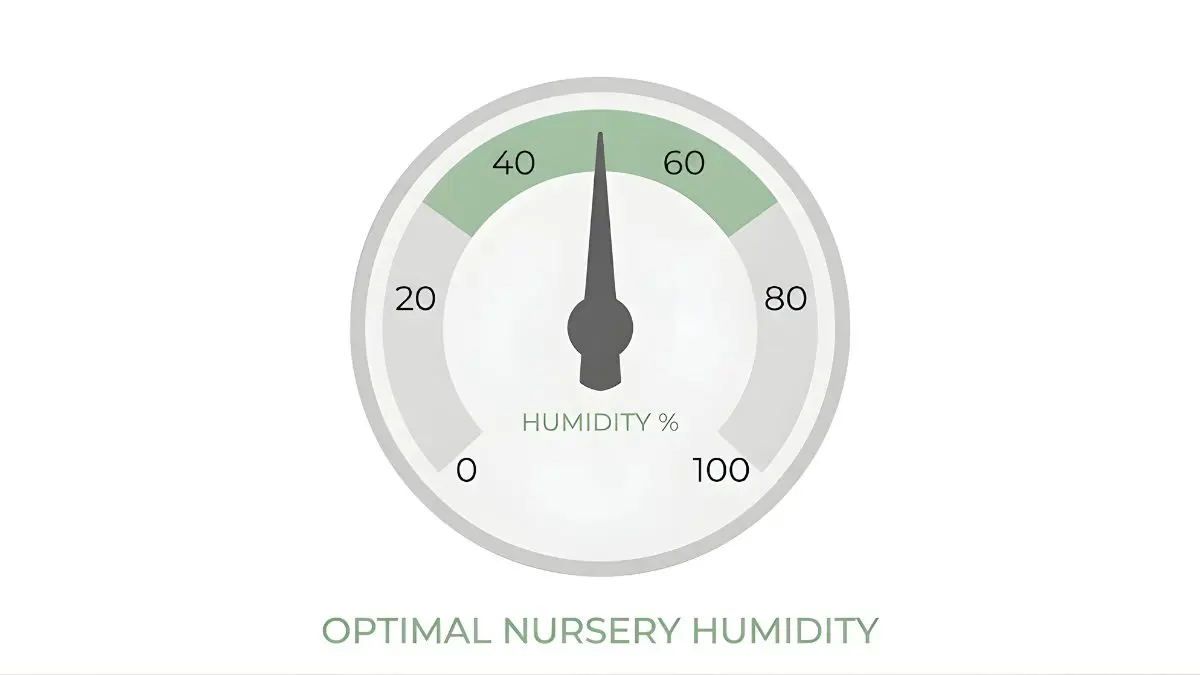
A standard daily-use machine is great for maintaining 40-60% relative humidity.
But when your child brings home a daycare virus at 2:00 AM, the mission parameters change.
A dedicated humidifier for baby congestion needs raw, aggressive output. You need a machine that can rapidly spike the humidity in the room to thin out stubborn mucus. Models like the Frida Baby 3-in-1 excel here because they allow you to crank an analog dial to maximum capacity.
Furthermore, an ideal congestion setup includes an essential oil diffuser tray. Dropping soothing eucalyptus or lavender vapor drops into the tray (never directly into the water tank) can aggressively help open up irritated airways.
4. The Maintenance Trap: Easy to Clean Designs
The absolute “best” baby humidifier on the market is entirely useless if you refuse to clean it.
If you let standing water sit in a dark plastic tank, mold spores will colonize it within days. Standard teardrop humidifiers force you to unscrew a tiny bottom cap and shove a pipe cleaner into blind corners. Do not buy these. Instead, look for modern architectures:
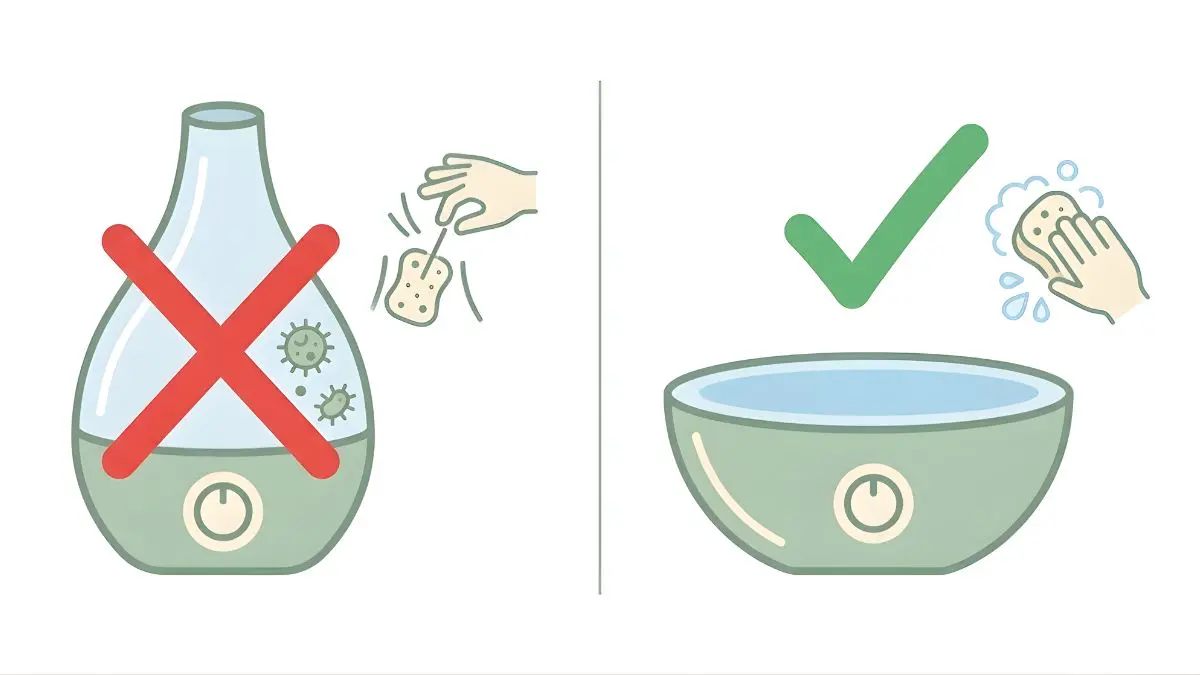
- Boilable Stainless Steel: Models like the Carepod Cube feature an open stainless steel tub that you can literally boil on your kitchen stove for 99.9% pasteurization.
- Dishwasher Safe: Evaporative models like the Canopy allow you to toss every plastic component that touches water directly into the top rack of your dishwasher.
- Modular/Washable: Units like the Miro use a floating engine design that breaks down completely, allowing you to wash every piece with a sponge and dish soap.
5. Dadfficient Humidifier Testing Hub
To view our exact performance metrics, decibel scoring, and setup breakdowns, access our specific head-to-head field evaluations:
- Head-to-Head Comparison: read our breakdown on the carepod vs canopy humidifier.
- Roundup Analysis: see our vetted picks for the best cool mist humidifier for baby rooms.
- Sanitization Audit: view the hardware metrics for an easy to clean cool mist humidifier.
- Age Scaling Guide: evaluate options built as a best humidifier for toddler environments.
- Modular Deep-Dive: read our Miro humidifier review to analyze the completely washable design.
Frequently Asked Questions (FAQ)
Do I really need a baby humidifier?
Yes. Pediatricians highly recommend using a cool mist baby humidifier to maintain optimal indoor humidity (between 40% and 60%). Proper humidity soothes dry, irritated skin, helps thin out mucus during cold season, and makes it easier for infants with tiny nasal passages to breathe comfortably.
Is a cool mist or warm mist humidifier better for babies?
You should exclusively use a humidifier for baby cool mist settings. The American Academy of Pediatrics strongly advises against warm mist vaporizers because the heating elements and boiling water inside the units pose a severe burn hazard to mobile infants and toddlers.
What is the easiest baby humidifier to clean?
The easiest models to clean abandon the traditional bottom-fill plastic tank. The Carepod Cube is exceptionally easy because its stainless steel tank can be boiled on a stove. Alternatively, the Canopy Bedside Humidifier is incredibly low-maintenance because its components are top-rack dishwasher safe.
- HealthyChildren.org (AAP): Verified pediatric safety recommendations strictly advising the use of cool-mist technology to eliminate burn hazards.
- EPA.gov: Verified guidelines on maintaining 30-50% relative humidity and the importance of routine sanitization to prevent airborne biological growth.